The Conn Smythe Trophy and playoff hero mythology sit near the center of hockey’s emotional language. More than most major sports, hockey treats the postseason as a test of endurance, pain tolerance, discipline, and timing. The regular season can prove skill, depth, and consistency, but the Stanley Cup Playoffs create a different kind of legend: the player who blocks shots, plays through injury, scores in overtime, steals a series in goal, or becomes unforgettable for one month. The Conn Smythe Trophy formalizes that belief. It tells fans that the playoffs are not just the final stage of the season. They are the place where hockey decides who becomes myth.
Why the Conn Smythe Trophy Fits Hockey’s Postseason Culture
The Conn Smythe Trophy is awarded to the most valuable player of the Stanley Cup Playoffs, not simply the best player in the Stanley Cup Final. It was first awarded in 1965, with Montreal Canadiens captain Jean Béliveau becoming the inaugural winner. The trophy is named for Conn Smythe, the longtime Toronto Maple Leafs owner, general manager, coach, and builder, and its design includes a silver replica of Maple Leaf Gardens.
That matters because the award is built around the full playoff journey. Hockey’s postseason is physically and emotionally cumulative. A player does not become a Conn Smythe figure only by having one great night. He usually has to survive four rounds of pressure, changing matchups, travel, injuries, defensive attention, and the narrowing margin between winning and losing.
That is why the award feels different from a regular-season MVP. The Hart Trophy rewards value across a long schedule. The Conn Smythe rewards value under compression. It asks who kept delivering when the sport became harder, tighter, and more punishing.
Hockey’s playoff culture has always cared about visible sacrifice. A player who dives to block a shot, returns from the dressing room, takes defensive-zone faceoffs, absorbs hits to make a play, or plays heavy minutes in elimination games can become part of the postseason story even without leading the league in scoring. The Conn Smythe gives that mythology a formal name.
The Trophy That Turns a Playoff Run Into a Legend
The Conn Smythe Trophy has produced several different kinds of playoff hero. There is the superstar who confirms greatness, the goaltender who carries a team, the defenseman who controls every situation, the scorer who becomes impossible to contain, and the losing finalist whose performance becomes too large to ignore.
Patrick Roy is the clearest example of the trophy’s mythmaking power. He is the only three-time Conn Smythe winner, and his playoff reputation became inseparable from the idea that great goaltending can bend an entire postseason. Other multiple winners, including Bobby Orr, Bernie Parent, Wayne Gretzky, Mario Lemieux, and Sidney Crosby, show how the award can attach itself to players whose postseason peaks become defining chapters in their careers.
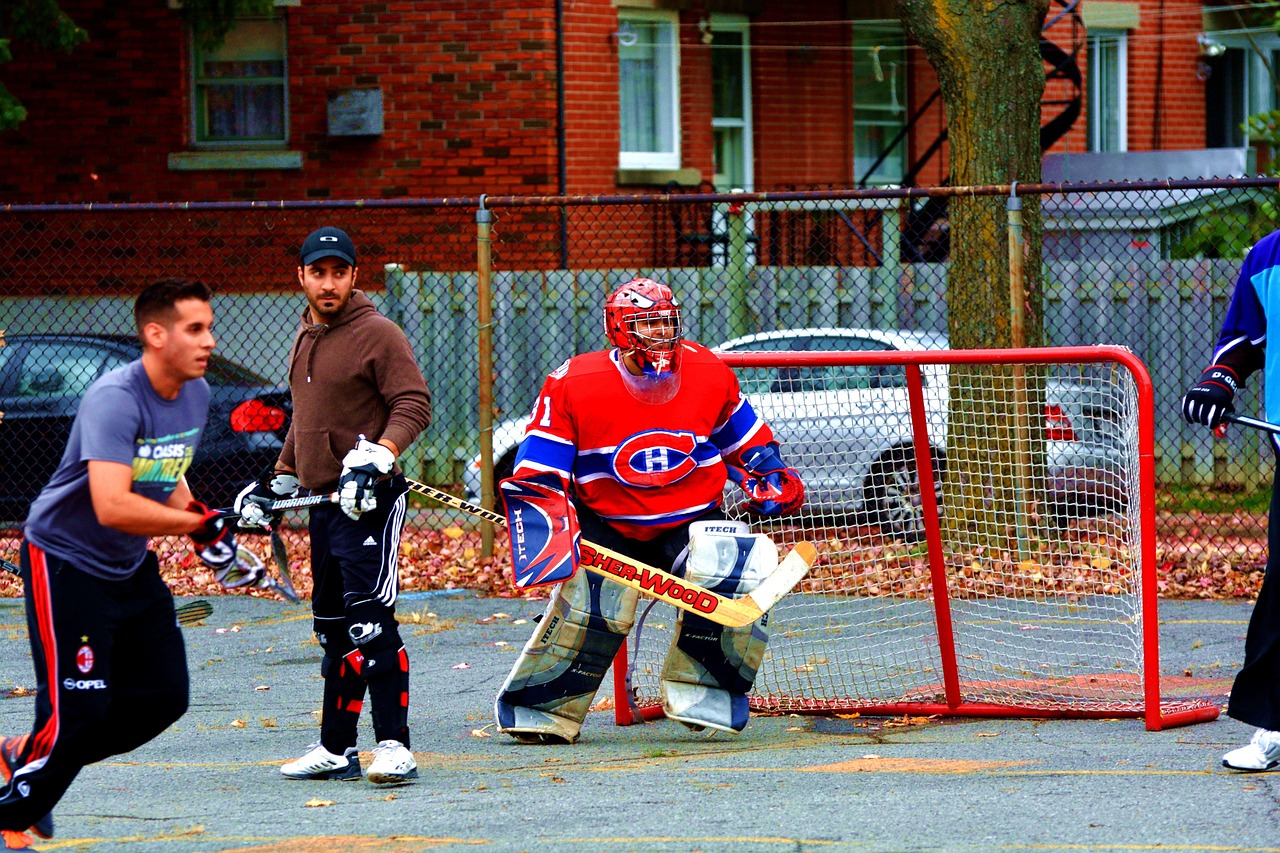
The goaltender has a special place in Conn Smythe history because no position better matches hockey’s playoff mythology. A goalie can turn a series by surviving pressure that everyone in the building understands. Every save is public. Every mistake is exposed. When a goalie wins the Conn Smythe, the story often becomes elemental: one player standing between an opponent and the season.
But the award is not limited to the winning team, and that is one of its most important features. The Hockey Hall of Fame lists six players who have won the Conn Smythe while playing for a team that did not win the Stanley Cup: Roger Crozier, Glenn Hall, Reggie Leach, Ron Hextall, Jean-Sébastien Giguère, and Connor McDavid.
That rare possibility strengthens the mythology. It tells fans that hockey can recognize a playoff performance even when the team result falls short. Connor McDavid’s 2024 win was a modern example: he won the trophy after Edmonton lost the Stanley Cup Final to Florida, following a postseason in which he led the playoffs with 42 points and set a playoff record with 34 assists.
In most sports, a losing-side MVP feels awkward. In hockey, it can feel almost fitting. The sport’s playoff imagination has room for the heroic run that ends in exhaustion, the brilliant performance that cannot quite overcome the final obstacle, and the player whose value remains undeniable even in defeat.
Why Hockey Loves the Postseason Warrior
The “postseason warrior” matters in hockey because the Stanley Cup Playoffs are structured to reveal more than talent. They reveal durability, adaptability, composure, and the ability to keep performing when opponents have had several games to solve every tendency.
A seven-game playoff series creates familiarity. There are fewer surprises by Game 5 or Game 6. Teams know where the other side wants to enter the zone, which defenseman can be pressured, which center can be beaten on faceoffs, which goalie gives up rebounds, and which stars can be targeted physically. A great playoff player has to keep producing after the scouting report has become personal.
That is why hockey fans often remember postseason versions of players as distinct identities. Regular-season stars become playoff leaders. Skilled wingers become two-way workers. Defensemen become minute-eating anchors. Goalies become walls. A player’s playoff reputation can harden into a second career, sometimes more powerful than his statistical résumé.
The Conn Smythe Trophy sits at the center of that transformation. It does not merely reward the best box score. It rewards the player who becomes the face of a run. Sometimes that player is obvious from the scoring leaderboard. Sometimes he is the goalie who kept a team alive. Sometimes he is the defenseman who made the hard minutes disappear. Sometimes he is the forward whose forecheck, goals, and physical presence define the tone of a championship.
Sam Bennett’s 2025 Conn Smythe win with the Florida Panthers fits that broader pattern. He led the playoffs with 15 goals as Florida won its second straight Stanley Cup, adding another example of a postseason identity becoming larger than regular-season reputation.
That is the heart of hockey’s playoff hero mythology. The sport leaves room for a player to become bigger in May and June than he was from October through April. The Conn Smythe Trophy gives that transformation a permanent record.
The Conn Smythe Trophy matters because it captures how hockey understands greatness under pressure. It is not only about being the best player in the sport. It is about being the most necessary player in the hardest part of the season. That is why the award still carries so much emotional weight: it turns playoff survival into hockey memory.