Club field hockey in Germany matters because the sport is not built only around national-team moments. It is built through a serious club ecosystem where players grow inside structured programs, compete across outdoor and indoor seasons, and learn the game through repeated high-level match play. Germany’s field hockey culture is especially strong because the club model connects youth development, senior competition, and tactical education in one pathway. The result is a system where the outdoor game and indoor game reinforce each other, producing technically sharp players who understand space, tempo, and pressure. In German hockey, the club is not just a team. It is the engine of the sport. The official Hockey-Bundesliga platform covers both field hockey and indoor hockey Bundesliga competition for women and men, which reflects that dual structure.
Club Field Hockey in Germany Starts With the Club as the Center
German field hockey has a different feel from systems where the national team, school team, or short tournament season carries most of the sport’s identity. In Germany, the club is the central unit. It is where young players enter the sport, where they train regularly, where they develop tactical habits, and where they see a pathway into serious adult competition.
That matters because field hockey rewards repetition. First touch, passing angles, defensive positioning, penalty-corner routines, pressing triggers, and off-ball movement all improve through constant structured play. A strong club system gives players that repetition before they reach international level.
The Bundesliga gives the top of the structure a clear competitive target. The men’s and women’s Feldhockey Bundesliga are the highest levels of German outdoor club hockey, and the broader Hockey-Bundesliga structure also includes indoor competition. For young players, that creates a visible ladder: local club training, youth competition, senior club hockey, Bundesliga play, and possible national-team selection.
This is why Germany has often produced field hockey teams that look tactically organized rather than improvised. The club environment teaches players how to fit into systems. It also gives them enough match experience to make quick decisions under pressure.
The Indoor and Outdoor Overlap Makes the System Stronger
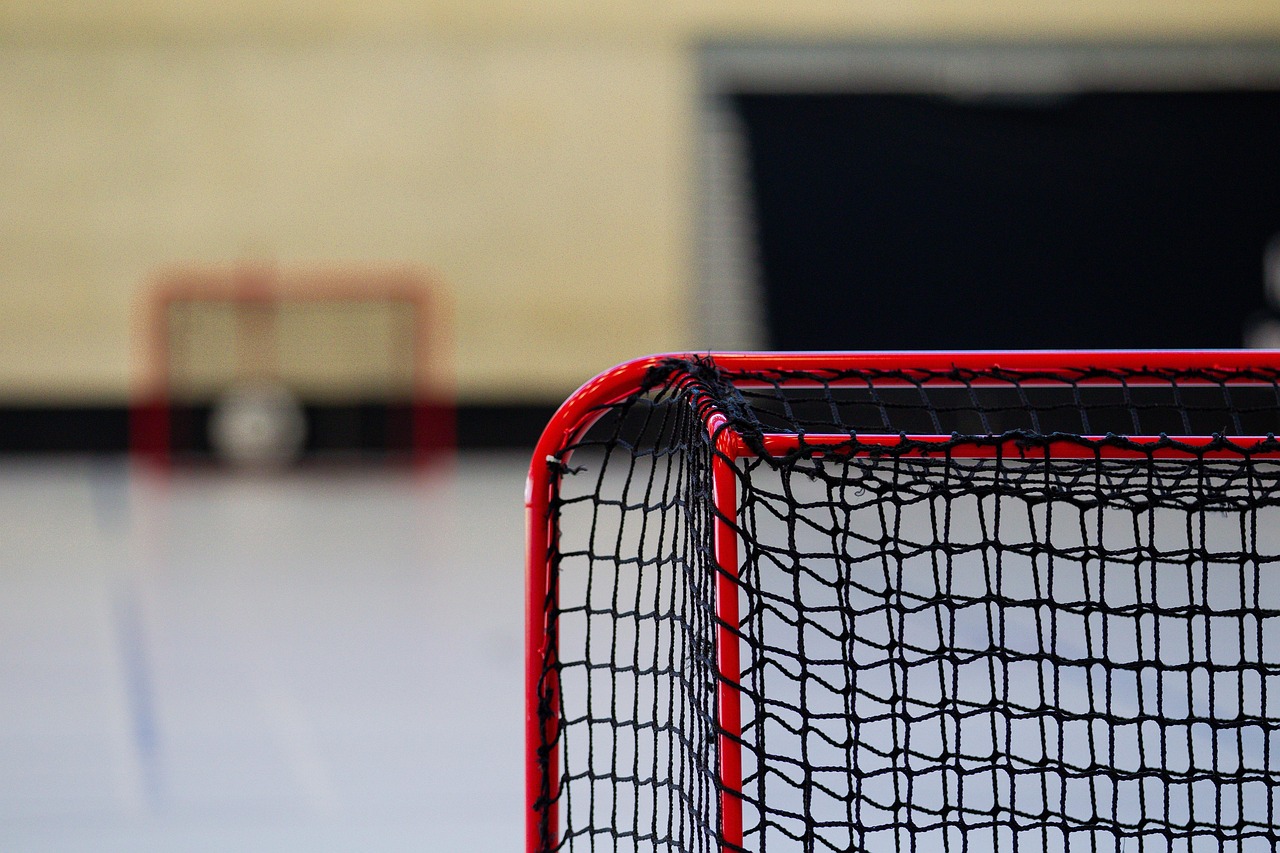
The most distinctive part of club field hockey in Germany is the indoor/outdoor rhythm. Outdoor hockey builds the full-field game: spacing, pressing, long passing, transition play, and endurance. Indoor hockey compresses the sport. It forces faster decisions, tighter ball control, sharper body positioning, and cleaner passing in crowded areas.
That overlap is not a side detail. It is one of the reasons the German system is so effective.
Indoor hockey rewards players who can receive under pressure and move the ball before the defense closes. Outdoor hockey rewards players who can read larger patterns and manage space over a wider field. German clubs expose players to both. Over time, that combination can produce athletes who are comfortable in different tactical environments.
The indoor season also keeps clubs active across the year. Instead of treating hockey as one isolated outdoor campaign, clubs can maintain a competitive rhythm through the hall season and then carry those technical habits back outside. The official German league ecosystem presents field hockey and indoor hockey together, which shows how closely the two formats sit inside the country’s club structure.
For player development, that is a major advantage. A midfielder who learns to play quickly indoors can bring that speed of thought to the outdoor game. A defender who learns body control and passing lanes indoors can become more composed under outdoor pressure. A forward who learns to finish in tight spaces indoors can become more dangerous in the circle outside.
Germany’s club model does not separate these skills into unrelated worlds. It lets them feed each other.
Why German Clubs Keep Feeding the National Game
The long-term value of club field hockey in Germany is that it creates depth. A country does not stay competitive in international hockey by relying on one golden generation. It needs a steady supply of players who have already been trained in demanding environments before they reach the national setup.
That is where German clubs matter most. They give players a serious hockey education early. They also make the sport part of regular community life rather than only a national-team spectacle. Clubs carry the weekly work: coaching, selection, match preparation, youth development, senior competition, and indoor/outdoor adaptation.
Germany also has important hockey infrastructure connected to elite competition. Hockeypark Mönchengladbach, for example, is listed by the International Hockey Federation among certified fields in Germany, reflecting the country’s place in the international hockey landscape. Facilities like that are only one part of the picture, but they sit inside a wider culture where clubs, leagues, and national programs are connected.
That is why German field hockey often feels durable. The system is not dependent on one famous player or one tournament run. It is built through clubs that keep producing technically sound, tactically educated players across both indoor and outdoor formats.
Club field hockey in Germany is important because it shows how a sport becomes strong through structure. The Bundesliga gives ambition, the clubs provide continuity, and the indoor/outdoor overlap sharpens the players. Together, they create a development culture that helps explain why Germany remains one of field hockey’s serious nations.