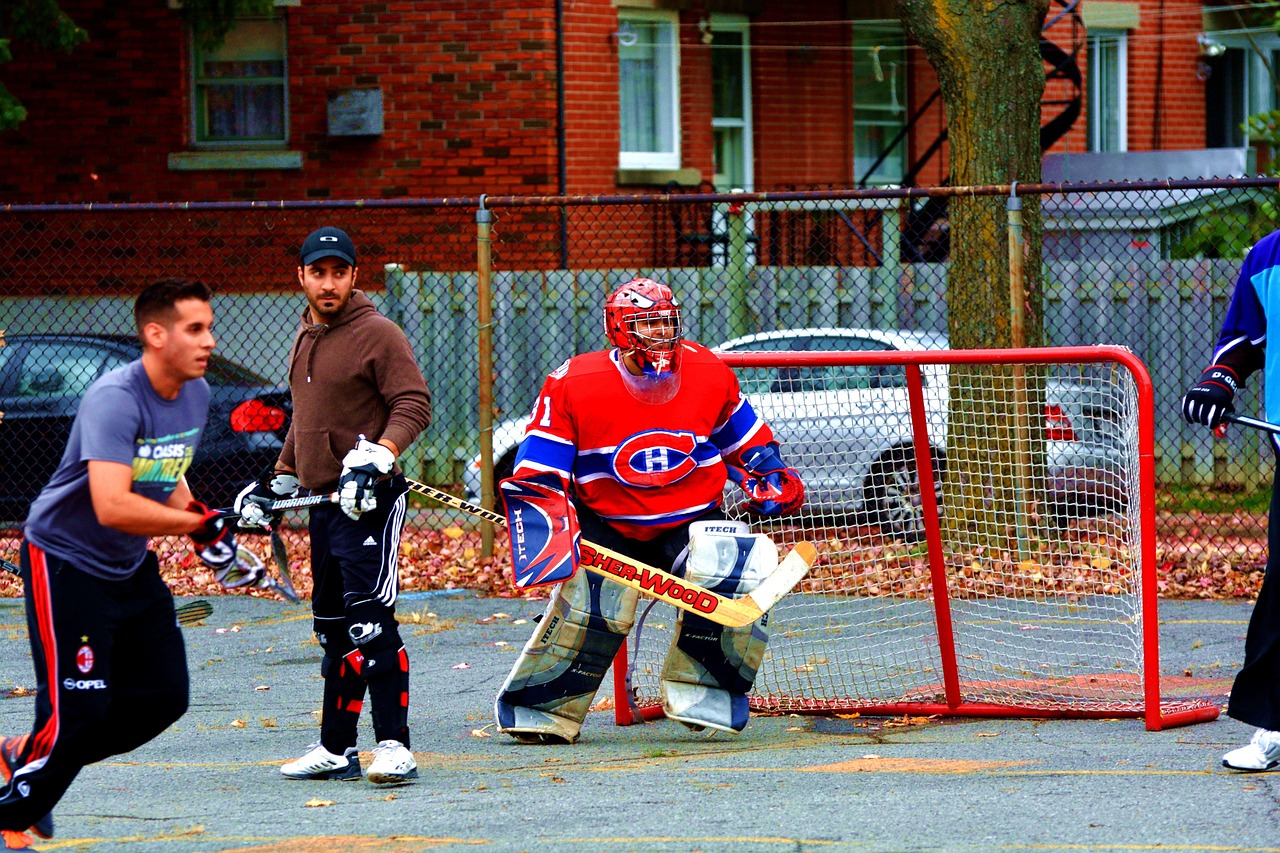
Junior hockey as Canada’s talent factory is one of the most distinctive systems in world sport. The Canadian Hockey League sits at the center of it, gathering elite teenagers into the Western Hockey League, Ontario Hockey League, and Quebec Maritimes Junior Hockey League. Its scale is enormous: the CHL describes itself as the world’s largest development hockey league, with teams across Canada and the United States, and says more than 415 players who appeared in the NHL during the 2024–25 season had come through its system. That is the basic bargain of major junior hockey: young players leave home early, live with billet families, carry local hopes, and chase a professional future before they are old enough to vote.
How the CHL Became the Main Road to the NHL
Canadian junior hockey works because it sits between childhood sport and professional hockey. It is not simply youth hockey with bigger crowds. It is a structured development world with scouts, drafts, media coverage, long bus rides, playoff pressure, and towns that treat teenage players as part of the civic calendar.
The CHL’s three major junior leagues give that world its shape. The WHL reaches across Western Canada and parts of the American Northwest. The OHL is rooted in Ontario and nearby American markets. The QMJHL connects Quebec, Atlantic Canada, and parts of the Maritimes. Together, they create a continent-sized development system where the best 16-, 17-, 18-, and 19-year-old players can face strong competition almost every night.
That age range is what makes the system so unusual. A player may enter major junior hockey as a teenager who still needs a host family, school support, and basic structure. At the same time, he may already be evaluated like a future professional asset. His skating, shot, size, habits, interviews, nutrition, and playoff performance all become part of a public projection.
The CHL also became powerful because it connects the dream directly to the NHL. It does not hide the ambition. The arena, the scouts, the draft rankings, and the local coverage all point toward the same question: can this player become a professional? For many players, the answer is no. For some, the answer is yes. For the system as a whole, the constant possibility is what gives junior hockey its seriousness.
The Billet House, the Small Town, and the 16-Year-Old Prospect
The most human part of junior hockey is the billet system. A player leaves his family and moves into someone else’s home so he can play for a team far from where he grew up. That arrangement turns development into a shared responsibility. The player is not only managed by coaches and trainers. He is also being helped by a household that may drive him, feed him, guide him, and give him a stable place to live during a difficult age.
That is where the strange seriousness of junior hockey becomes clearest. A 16-year-old can be both a child in need of structure and a central figure in a town’s sporting identity. He may be expected to finish schoolwork, behave properly in public, sign autographs after games, answer questions from local media, and perform in front of fans who know the team’s power play better than some people know municipal politics.
Small-town identity gives the system emotional force. In many CHL markets, the junior team is not a minor entertainment option. It is a major local institution. The team gives the town a schedule, a shared language, and a way to imagine itself as connected to the highest levels of hockey. When a local junior star becomes an NHL draft pick, the achievement belongs partly to the player, partly to the organization, and partly to the community that watched him grow.
This also creates pressure. Junior players are often discussed in future tense. They are “projected,” “ranked,” “watched,” and “developed.” Their present lives are constantly measured against what they might become. A strong playoff series can elevate a reputation. A difficult draft year can create disappointment before adulthood has even begun.
That pressure is not incidental to the system. It is part of what the system tests. The CHL is not only trying to produce skill. It is testing routine, travel, maturity, recovery, public accountability, and the ability to keep playing when the dream becomes heavy.
Why Canada’s Talent Factory Still Shapes Hockey’s Future
Junior hockey remains central to Canadian hockey because it does more than produce NHL players. It produces a particular kind of hockey education. Players learn to handle crowds, interviews, rivalries, trades, injuries, coaches, and playoff pressure before they reach the professional level. They learn that hockey is not just a game they play, but a public role they occupy.
The system has also had to adjust to a changing development landscape. College hockey, European professional routes, private academies, and cross-border recruiting have all created more options for elite players. One major shift came when the NCAA moved to allow Canadian Hockey League players to become eligible for Division I hockey beginning in 2025, a change widely understood as capable of reshaping the relationship between major junior and college hockey.
That change matters because the old boundaries were unusually strict. For decades, choosing the CHL could close the NCAA path. Now, elite players may have more flexibility, and CHL teams may have to compete in a different way for talent. The factory is still powerful, but the conveyor belt is no longer the only visible route.
The CHL’s scholarship structure is part of that broader bargain. The league and its member leagues have long presented education support as part of the value of playing major junior hockey, with the WHL describing its scholarship program as a way for players to develop at a high level without compromising academic goals.
That is why junior hockey’s legacy is bigger than draft numbers. It is a Canadian institution built around ambition, community, sacrifice, and early responsibility. It gives small towns a stake in elite hockey and gives teenagers a demanding bridge toward the professional game.
Junior hockey as Canada’s talent factory is powerful because it turns development into a public journey. The CHL does not just ask whether a teenager can play. It asks whether he can live inside the expectations of the sport. That is why the system remains so important: it produces prospects, but it also produces the habits, pressures, and identities that shape Canadian hockey itself.