The Butterfly Goaltending Revolution changed hockey because it transformed goaltending from a reactive, stand-up position into a technical system built around angles, lower-net coverage, and controlled movement. Patrick Roy became the most famous face of that shift, popularizing a style that made dropping to the knees look less like desperation and more like design. He was not the first butterfly goalie; Glenn Hall and Tony Esposito were earlier pioneers of the method. But Roy helped make the style dominant in the modern NHL, and after his rise, the position never looked the same. The goalie became less of a last-second acrobat and more of a trained specialist using the body, pads, and crease geometry to remove space.
The Stand-Up World Before the Butterfly Took Over
For much of hockey history, goaltending was shaped by the stand-up style. Goalies were taught to stay on their feet, challenge shooters, react with their gloves and sticks, and avoid dropping too early. The logic made sense in an older version of the sport. Equipment was smaller. Masks were either absent or still evolving. Shooters had less curve on their sticks, and the game placed a premium on courage, reflexes, and visibility.
That style produced legendary goaltenders. It also created a very different visual language. A goalie often looked tall in the crease, trying to meet the puck while upright. Low shots had to be kicked away, blocked with the stick, or handled through quick reflexes. The lower part of the net was defended, but it was not sealed in the modern sense.
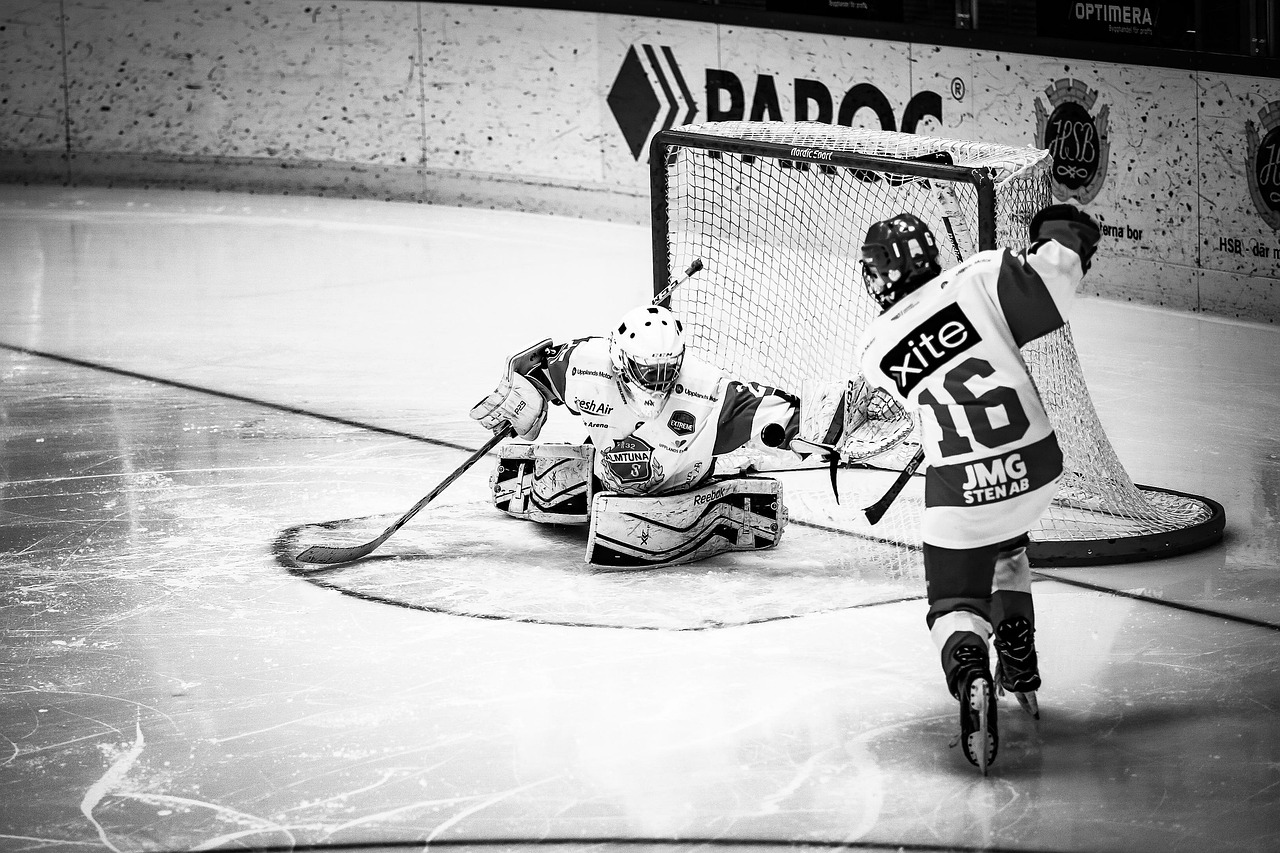
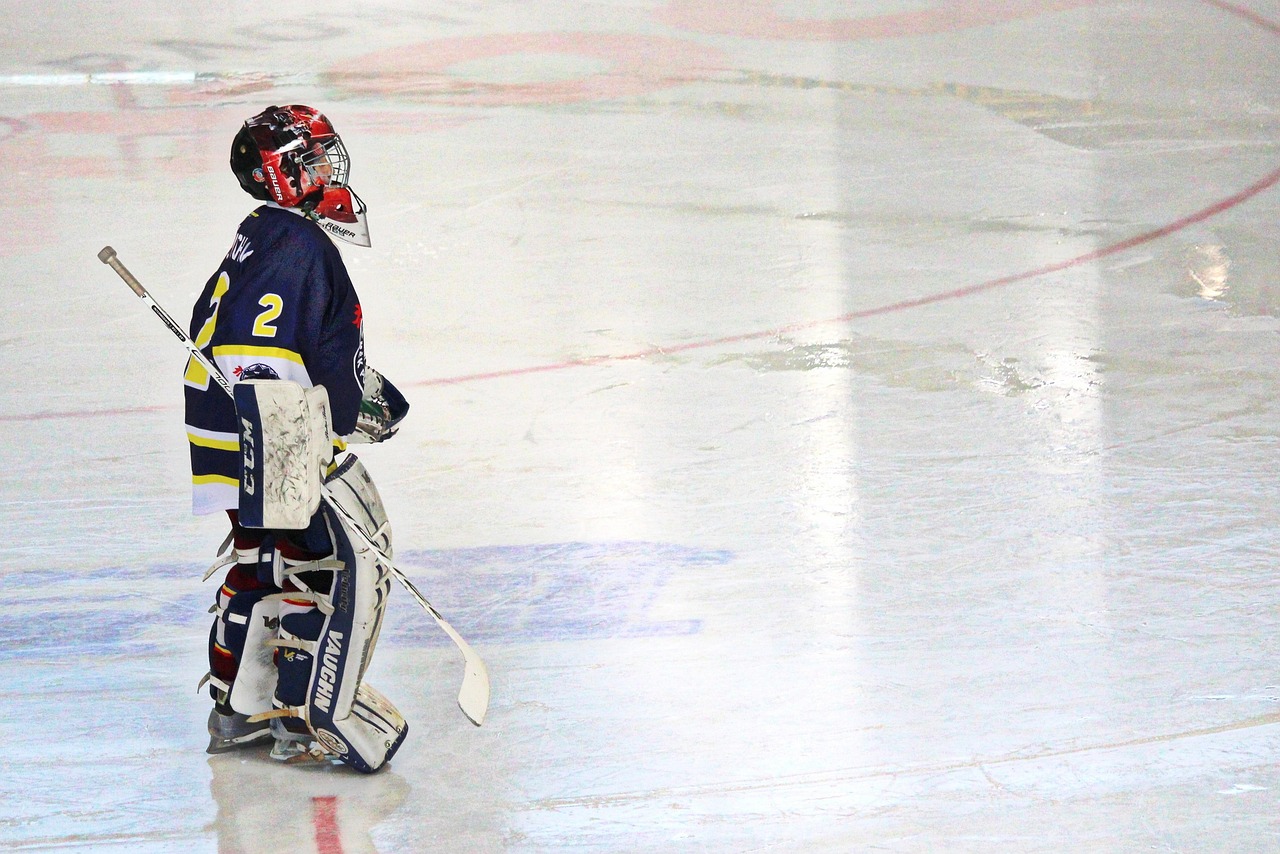
The butterfly offered a different answer. Instead of treating the drop to the ice as a last resort, it made that movement central. The goalie dropped to the knees, flared the pads outward, kept the stick and body organized, and tried to cover the bottom of the net as efficiently as possible. The name came from the shape made by the pads and arms when the goaltender spread out in the crease.
Glenn Hall helped establish the idea before it had become the standard. Tony Esposito then pushed it further, becoming known as one of the great early butterfly practitioners. The style was not yet the universal language of goaltending, but the essential idea was already visible: the lower net could be taken away by structure, not only by reaction.
Patrick Roy and the Moment the Butterfly Became Modern
Patrick Roy did not simply use the butterfly. He made it look like the future. With the Montreal Canadiens and later the Colorado Avalanche, Roy combined size, confidence, technique, and competitive authority in a way that changed how coaches, scouts, and young goalies understood the position.
Roy’s importance was not just that he dropped to his knees. Many goalies had done that before him. His importance was that he made the butterfly feel like a complete system. He used positioning to arrive early. He challenged shooters, took away the lower net, recovered back into shape, and made the crease feel smaller than it was. Instead of chasing every shot, he turned save-making into a repeatable sequence.
That mattered because hockey itself was changing. Players were stronger. Shots were harder. Offensive systems created more traffic around the crease. Deflections, screens, rebounds, and quick lateral passes placed enormous pressure on goaltenders. A style based only on upright reaction became harder to sustain against modern shooting patterns.
Roy’s résumé gave the method authority. He won four Stanley Cups, earned three Conn Smythe Trophies as playoff MVP, and retired in 2003 as the NHL’s all-time wins leader with 551 victories. The Hockey Hall of Fame notes that he became the first goaltender to play 1,000 NHL games and retired as the winningest goalie in league history.
That success changed the argument. The butterfly was no longer an unusual choice associated with a few innovators. It became a model. Young goalies copied it. Goalie coaches refined it. Equipment makers adapted to it. Teams began to evaluate goaltenders through a different lens: not only how brave or reactive they were, but how efficiently they controlled space.
The position became more technical. A goalie’s stance, pad seal, post integration, rebound control, lateral push, glove position, and recovery mechanics all became part of a larger system. The crease became a workplace of angles and repeated movements. The best goalies still needed reflexes, but reflexes were now supported by structure.
Why the Butterfly Still Defines Goaltending
The legacy of the Butterfly Goaltending Revolution is visible in almost every modern game. Today’s goalies are trained from a young age to understand the crease through positioning, depth, edgework, and coverage. The butterfly is not the only tool they use, but it is the base language of the position.
The style changed what a save looks like. A low shot that once required a dramatic kick save can now disappear into a sealed pad structure. A scramble that once depended on instinct can now be managed through recovery patterns. A shooter looking at the net often sees less open space because the goalie’s body and pads are designed to take away the most likely scoring areas.
It also changed the athlete required to play the position. Modern goalies need flexibility, strength, balance, and precise skating mechanics. They must move laterally while low, recover quickly, read traffic, and maintain structure through contact and screens. The butterfly made goaltending more specialized, not less athletic. It replaced one kind of athletic demand with another.
The revolution also affected hockey tactics. Shooters had to adapt. Coaches placed greater value on traffic, east-west passing, high shots, rebounds, and lateral puck movement. If the goalie could seal the bottom of the net, offenses had to find ways to make that seal break. In that sense, the butterfly did not end creativity. It forced creativity to move somewhere else.
Patrick Roy remains the central figure because he connected the style to winning at the highest level. Glenn Hall and Tony Esposito helped create the path. Roy made the path impossible to ignore. After him, the butterfly was not just a technique. It was the foundation of modern goaltending.
The Butterfly Goaltending Revolution changed hockey by changing the geometry of the crease. It made the lower net a territory to be controlled, not merely defended in emergencies. Every modern goalie still lives with that inheritance: pads flared, knees down, edges loaded, and the net reduced one angle at a time.