Belgian Club Hockey and the National Rise is not a story about a small country suddenly discovering elite field hockey. Belgium’s men became Olympic, world, European, and Pro League champions because the national team had a serious domestic base beneath it. The Red Lions’ rise came from clubs, coaching, youth development, better facilities, and a federation willing to connect local ambition with international goals. Belgium did not become a field hockey power by accident. The country built a pipeline where players could grow inside competitive club environments, sharpen themselves against strong domestic rivals, and then enter the national setup already used to demanding hockey.
The Clubs That Gave Belgium a Hockey Spine
Belgian field hockey had old roots long before the Red Lions became a global power. The sport was introduced in Belgium in the early 1900s, the country’s first club was founded in 1904, and the Belgian Hockey Association was established in 1907. That history matters because Belgium was not trying to invent a sport from nothing in the 2000s. It already had clubs, traditions, and pockets of serious hockey culture. What changed was the quality and coordination of the pathway.
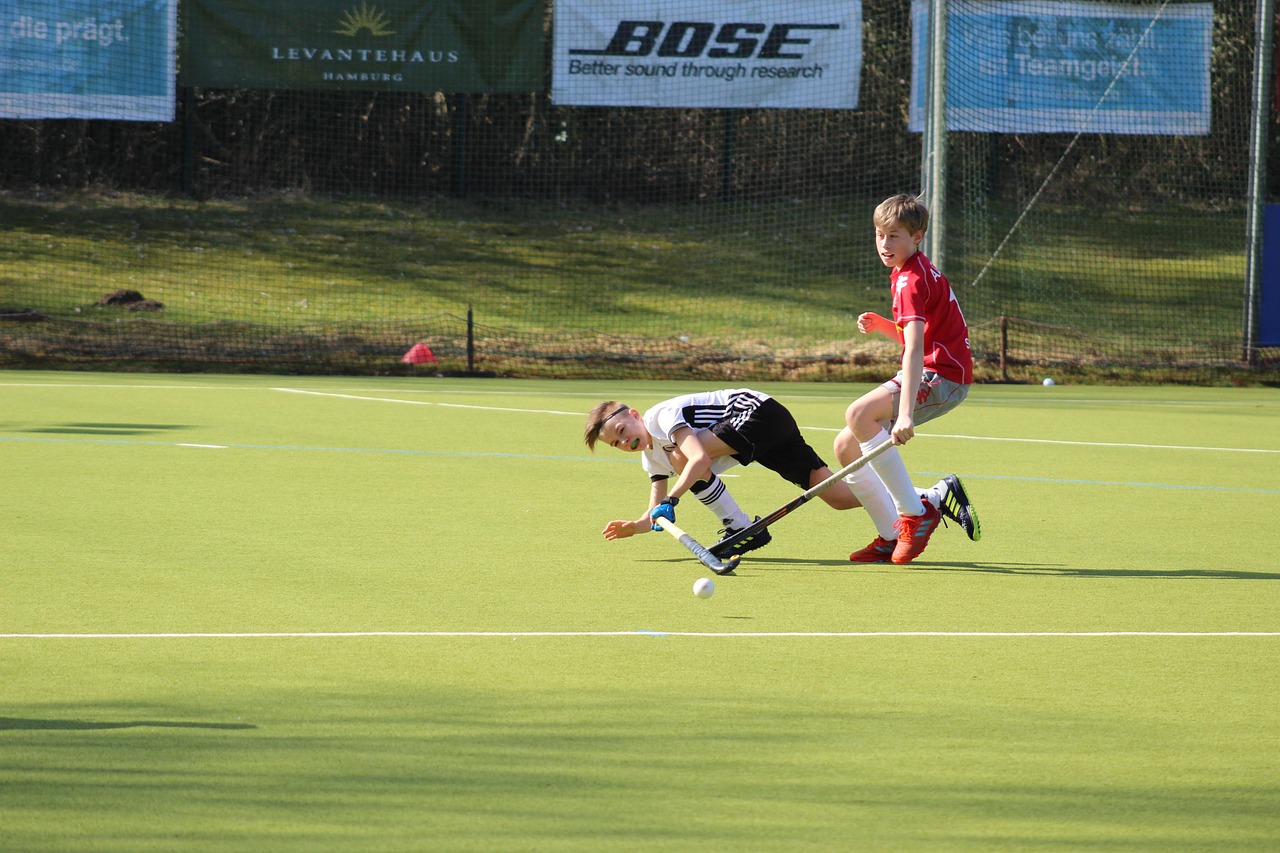
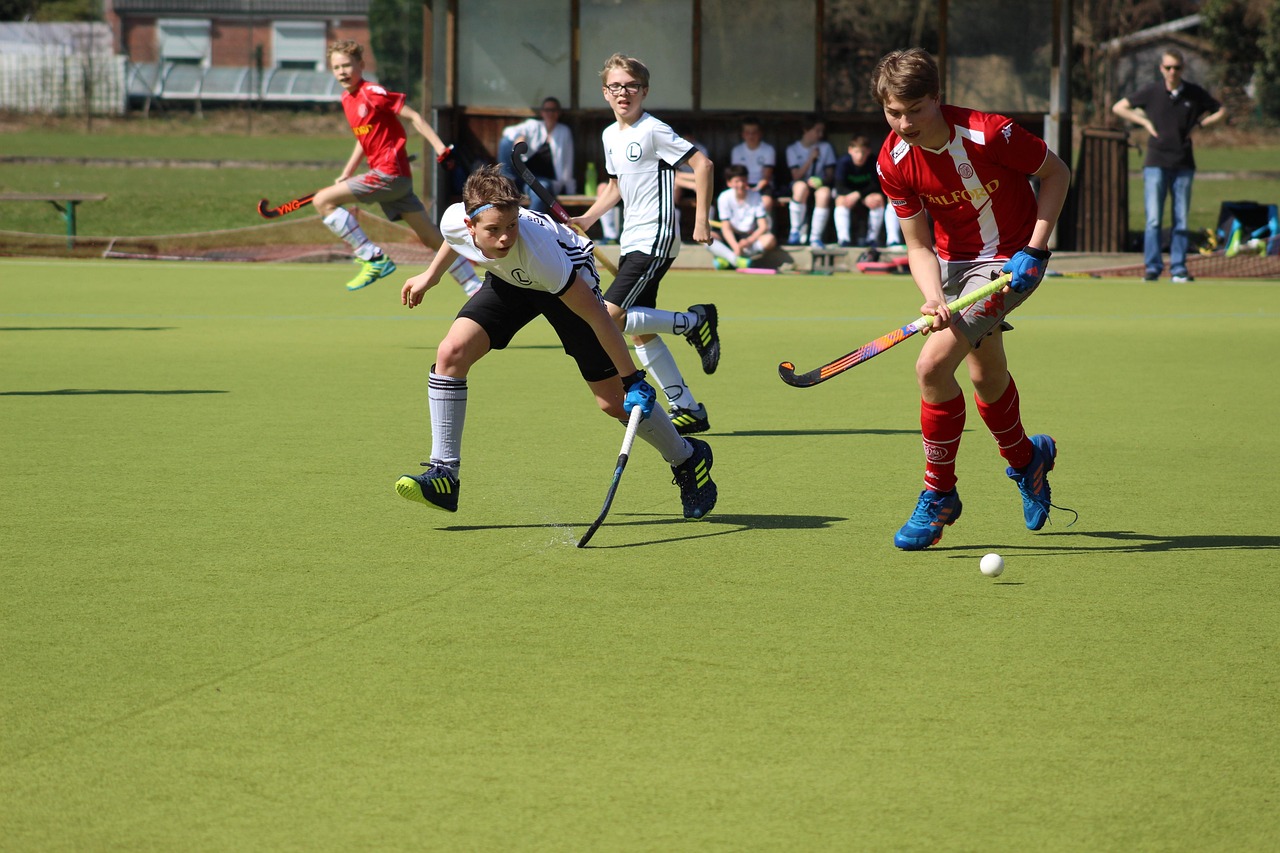
The Belgian club scene gave the national program something every rising hockey country needs: a week-to-week training and competition structure. Clubs such as Royal Léopold, Waterloo Ducks, Racing Club de Bruxelles, KHC Dragons, Braxgata, Beerschot, Gantoise, Orée, Herakles, and others helped create a domestic environment where talented players could be identified early and tested often. The league was not just a place to play. It became a development layer.
That club base mattered because Belgium’s rise required more than one gifted generation. A national team can have a few elite players and still fail if the system beneath them is thin. Belgium needed defenders, drag-flickers, goalkeepers, midfield connectors, finishers, and depth players who understood modern hockey before they reached the highest level. Clubs helped provide that education.
They also created pressure. In a compact country with strong clubs clustered around Brussels, Antwerp, Waterloo, Ghent, and other hockey centers, young players did not have to wait until international competition to face serious standards. Domestic hockey became part of the selection engine. Players could be watched, compared, challenged, and developed inside a familiar but competitive system.
Belgium’s national rise began to look less like a miracle once that domestic structure matured. The clubs gave the Red Lions a floor. The federation and national coaches raised the ceiling.
The Pipeline That Turned Club Talent Into Red Lions
The turning point was not simply that Belgium had clubs. Many countries have clubs. The key was that Belgian hockey became better at turning club talent into national-team talent.
By the early 2000s, Belgian hockey began investing more seriously in youth development and modern national structures. That shift mattered because the Red Lions had spent decades outside the very top tier. Belgium had Olympic history, including a bronze medal at Antwerp 1920, but the modern game had moved beyond old prestige. The best countries had deeper coaching systems, better athletic preparation, stronger youth pathways, and clearer connections between clubs and national programs.
Belgium responded by professionalizing the route. Talented players were not just left to develop casually inside their clubs. They became part of a broader performance environment. Club hockey provided the daily base, while the national setup added tactical clarity, international standards, and long-term planning.
That is why the Red Lions’ rise became so convincing. Belgium qualified for the 2008 Olympics after a long absence, finished fifth at London 2012, won Olympic silver at Rio 2016, won the 2018 Men’s Hockey World Cup, won the 2019 European Championship, took the 2020–21 FIH Pro League title, and won Olympic gold at Tokyo 2020. That sequence was not a single tournament spike. It was a decade-plus climb.
The players who carried that rise came through a Belgian hockey culture that had become more demanding. Arthur Van Doren, Felix Denayer, Florent Van Aubel, Vincent Vanasch, Alexander Hendrickx, John-John Dohmen, Cédric Charlier, Loïck Luypaert, Tom Boon, and others represented the visible top of the system. Behind them was a domestic structure that helped normalize elite expectations.
The clubs mattered in another way too: they gave Belgium stylistic variety. Players developed in different club environments, with different coaching voices and competitive experiences. The national team could then combine those pieces into something coherent. Belgium became known for tactical discipline, technical quality, penalty-corner danger, strong goalkeeping, and the ability to manage high-pressure knockout matches.
That balance is hard to create if a national program is only a top-down project. Belgium’s rise worked because the clubs and national team were not separate worlds. The strongest version of Belgian hockey came when domestic development and international ambition started feeding each other.
Why Belgium’s Club Model Still Shapes the National Team
The legacy of Belgian Club Hockey and the National Rise is that Belgium changed the way its own success should be understood. The Red Lions were often described as a golden generation, and that label makes sense at one level. The group that won the World Cup, European Championship, Pro League, and Olympic gold was exceptional. But calling it only a golden generation can hide the machinery underneath.
Belgium’s achievement was structural. The club pipeline made the national rise more sustainable because it created more than one route into elite hockey. The domestic game produced stars, role players, specialists, and future replacements. It also kept hockey visible inside communities where young players could see a pathway from local club fields to international medals.
That is one reason Belgium’s rise became important beyond Belgium. It showed that a country does not need the population size of India, the Olympic history of the Netherlands, or the traditional field hockey scale of Australia or Germany to reach the top. It needs alignment. Clubs, coaching, youth systems, federation investment, facilities, and national-team identity have to point in the same direction.
Belgium’s women’s program also reflects the broader lesson. The women’s team reached its first Olympic semifinal at Paris 2024 after years of increased support and investment, showing that the country’s hockey development was not limited to the men’s golden era. The same basic principle applied: serious structures create serious possibilities.
The Red Lions’ peak years will always be remembered through medals. The deeper story is that those medals came from a hockey ecosystem that learned how to convert local strength into international power.
Belgium did not magically wake up good. Its national rise was built through club fields, coaching habits, youth pathways, and a domestic culture that became strong enough to support world-class ambition. The Red Lions gave Belgium the trophies, but Belgian club hockey helped build the team that could win them.
Sources for factual grounding: Belgium’s men won the 2018 World Cup, 2019 European Championship, 2020–21 FIH Pro League, and Tokyo 2020 Olympic gold; the sport’s Belgian roots date to the early 1900s, with the first club in 1904 and association in 1907. Reuters reported Belgium’s women reached their first Olympic semifinal in 2024 after a longer push toward equalized support and funding.