The switch from grass to artificial turf changed field hockey more than almost any rule adjustment or tactical trend. It did not simply make the ball roll faster. It changed what kind of players succeeded, what kind of teams could control matches, and what kind of countries had the infrastructure to compete at the highest level. Before turf, field hockey could be slower, more uneven, and more dependent on close control over imperfect grass. After turf, the sport rewarded speed, fitness, clean passing, rehearsed patterns, and technical execution at a higher tempo. The change became especially visible after artificial “nylon” turf was introduced at the Montreal 1976 Olympic hockey tournament, replacing natural grass in most elite events afterward.
The Grass Game That Rewarded Touch, Improvisation, and Patience
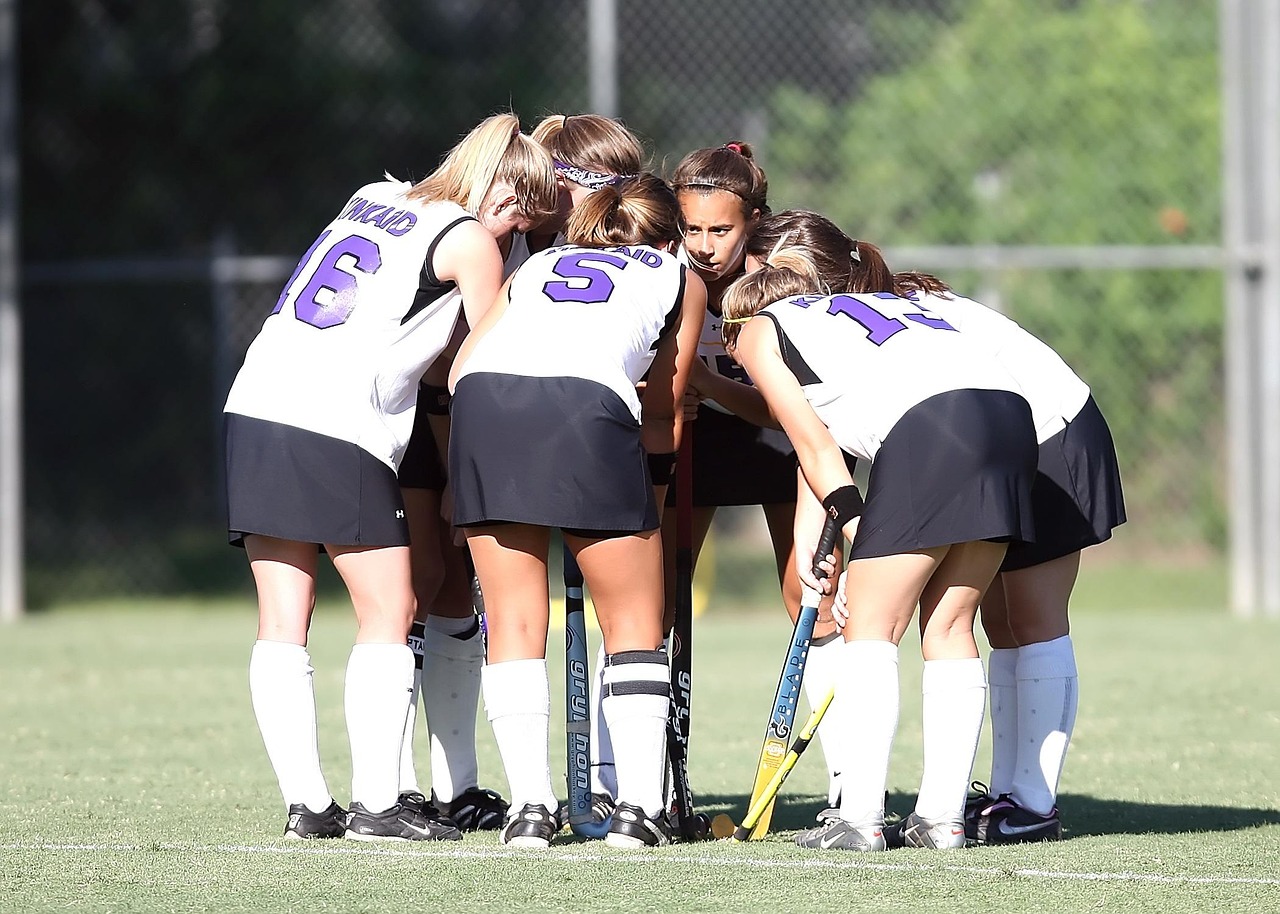
On natural grass, field hockey had a different rhythm. The ball could bobble, slow down, or change direction slightly because of the surface. That made perfect passing harder and gave more value to individual stick skill, close control, and improvisation. Players who could dribble through congestion, adjust to bad bounces, and create chances from broken patterns had a real advantage.
That style fit many of the great South Asian teams. India and Pakistan had built extraordinary field hockey traditions around touch, deception, stick work, and quick combinations. India’s Olympic record before the turf era was especially dominant, with eight Olympic men’s gold medals overall and a long period of control from 1928 through 1964.
Grass did not make the sport easy. It made it different. The surface allowed more variation from pitch to pitch and more room for artistry inside imperfect conditions. A team with elite dribblers and patient attackers could turn the unevenness of the game into part of its identity. The ball did not always travel like it was on a table. That meant the best players had to solve problems constantly with their hands, eyes, timing, and balance.
Artificial turf changed that equation. It made the field more predictable. It made the ball move cleaner and faster. It reduced some of the random qualities of grass and placed more pressure on first touch, body position, passing speed, pressing, and team structure.
The Switch From Grass to Artificial Turf Turned Speed Into a System
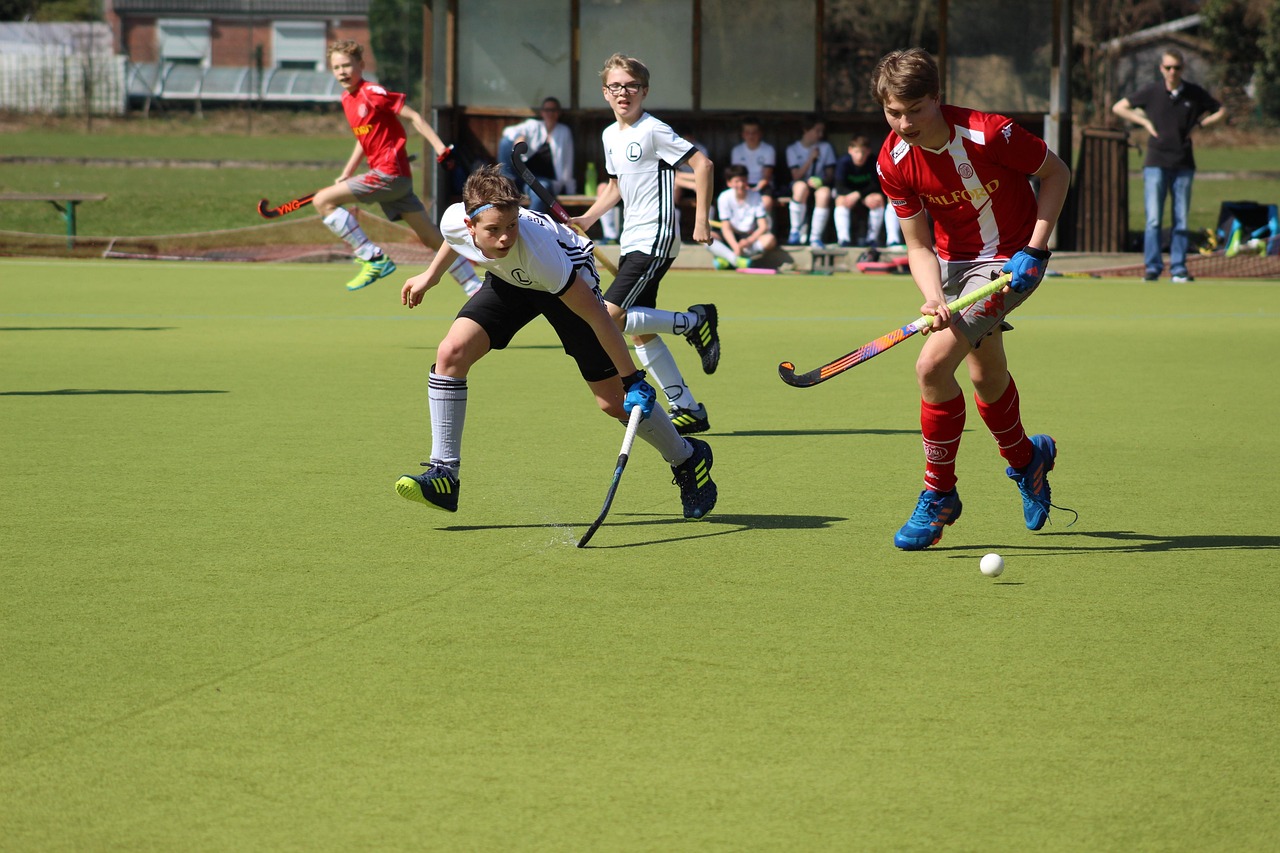
The most important effect of artificial turf was not just speed. It was repeatability. A clean, fast, even surface allowed teams to practice passing patterns that could be used again and again under match pressure. The sport became less tolerant of loose touches and slower decisions. A player who hesitated could lose the ball quickly. A defender who arrived late could be beaten by the pace of the pass before the tackle was even possible.
This pushed field hockey toward a more system-based game. Teams could press higher because the ball moved predictably. Midfielders could transfer play across the pitch more quickly. Defenders could pass out of pressure instead of simply clearing. Attackers could make sharper off-ball runs because they could trust the pass to arrive at speed.
The penalty corner also became more specialized. On turf, the injection, stop, drag flick, and rebound patterns could be drilled with greater precision. That turned set pieces into a more technical and rehearsed part of elite hockey. The sport became faster in open play and more exact in dead-ball situations.
The physical profile of players changed with it. Turf hockey demanded repeated sprints, fast recovery runs, sharp changes of direction, and the stamina to press and counter-press. Fitness had always mattered, but artificial turf made it central. A team could no longer rely only on touch and patience. It needed pace, conditioning, structure, and the ability to execute skills at full speed.
This is why the surface change was so dramatic. It did not remove skill from field hockey. It changed the type of skill the sport rewarded. The best players still needed soft hands and creativity, but they also needed to play faster, pass earlier, run harder, and fit into more organized tactical systems.
How Turf Helped Shift Field Hockey’s Global Power Balance
The switch to artificial turf also changed the economics of elite field hockey. A grass field could exist almost anywhere. A proper synthetic hockey pitch required money, maintenance, water systems, installation expertise, and regular access. That gave wealthier federations, schools, clubs, and national programs a major advantage.
Countries that could build and maintain high-quality turf facilities were able to train for the new version of the game every day. Countries with fewer synthetic pitches often had players who learned on grass and only later adapted to turf. That gap mattered. At elite level, artificial turf was not a surface athletes could simply meet for the first time at a major tournament and master immediately.
The timing also mattered historically. India and Pakistan had long been central powers in men’s field hockey. After the move toward synthetic surfaces, the sport’s top level increasingly favored programs that could combine turf access, sports science, structured coaching, and high-performance systems. European and Australian teams were especially well placed for that transition.
That does not mean the surface alone explains every shift in world hockey. Coaching, administration, investment, domestic structures, and international competition all mattered. But turf was the hinge. It changed the technical demands of the sport and made infrastructure part of competitive destiny. The countries that adapted fastest did not just learn a new surface. They helped define a new version of field hockey.
Artificial turf made field hockey faster, cleaner, and more television-friendly. It also made the sport more expensive and more dependent on specialized facilities. That tradeoff is the heart of the story. The surface created a sharper modern game, but it also changed who could prepare for that game properly.
The switch from grass to artificial turf did not just update field hockey. It redrew the sport’s map. The modern game still carries that transformation in every fast transfer, every rehearsed penalty corner, every high press, and every debate about access. A change under the players’ feet became a change in the sport’s identity.